Planning A Home Build On Miami County Acreage
July 16, 2026
July 16, 2026
Dreaming about a custom home on open land in Miami County? It is an exciting goal, but acreage is not always build-ready just because it looks perfect from the road. If you want fewer surprises and a smoother path to building, it helps to know what to check before you buy, what approvals come first, and where costs can creep in. Let’s dive in.
A rural homesite in Miami County can absolutely work for a custom build, but the process is very site-specific. County guidance makes clear that buildability depends on zoning, legal tract history, utilities, access, and whether septic and well installation will work on that particular property.
That means buying land for a future home should be treated like a due diligence project, not a simple land purchase. A beautiful tract may still have issues with road access, floodplain rules, or wastewater approval that affect your budget and timeline.
Before you fall in love with a property, start with planning and zoning. In unincorporated Miami County, planning and zoning handles land-use designations, setbacks, floodplain determinations, minimum lot size, rezoning, site plans, and subdivision questions.
The county has several zoning districts, including Rural Residential, Countryside, and Agricultural. In the Rural Residential district, a rural residential lot is defined as at least 3 acres but less than 20 acres and created for a residential site. One single-family dwelling is allowed per legal lot or parcel in that district.
In much of the county, the practical rule is still one residence per tract. If you are thinking about multiple homes on one property, a second residence is not allowed by default, even though some accessory dwellings may be possible under county regulations.
If a barndominium is on your wish list, it is important to know how the county views it. A barn with living space is treated as a single-family dwelling, so you should expect house-level standards rather than a shortcut through the rules.
Not every piece of acreage is automatically a legal buildable tract. Miami County recognizes legal descriptions and surveys recorded before January 1, 1992, and later changes in legal description or size can trigger county approval requirements.
One of the smartest early steps is requesting zoning verification. That helps confirm whether the lot or tract was legally created and whether it is eligible for building permits under the rules that applied when it was created.
Road access can make or break a build. Miami County advises buyers to confirm ingress and egress, road ownership, easements, deed restrictions, and utility availability early in the process.
This matters more than many buyers expect. Private roads and drives are not maintained by county crews, and many county roads are gravel. If a parcel is accessed by a class 4 road or minimum-maintenance road, a residence permit will not be granted unless the road is improved to county standards at the owner's expense.
That can be a major cost item. If you are comparing two tracts, the cheaper land is not always the less expensive option once road improvements are factored in.
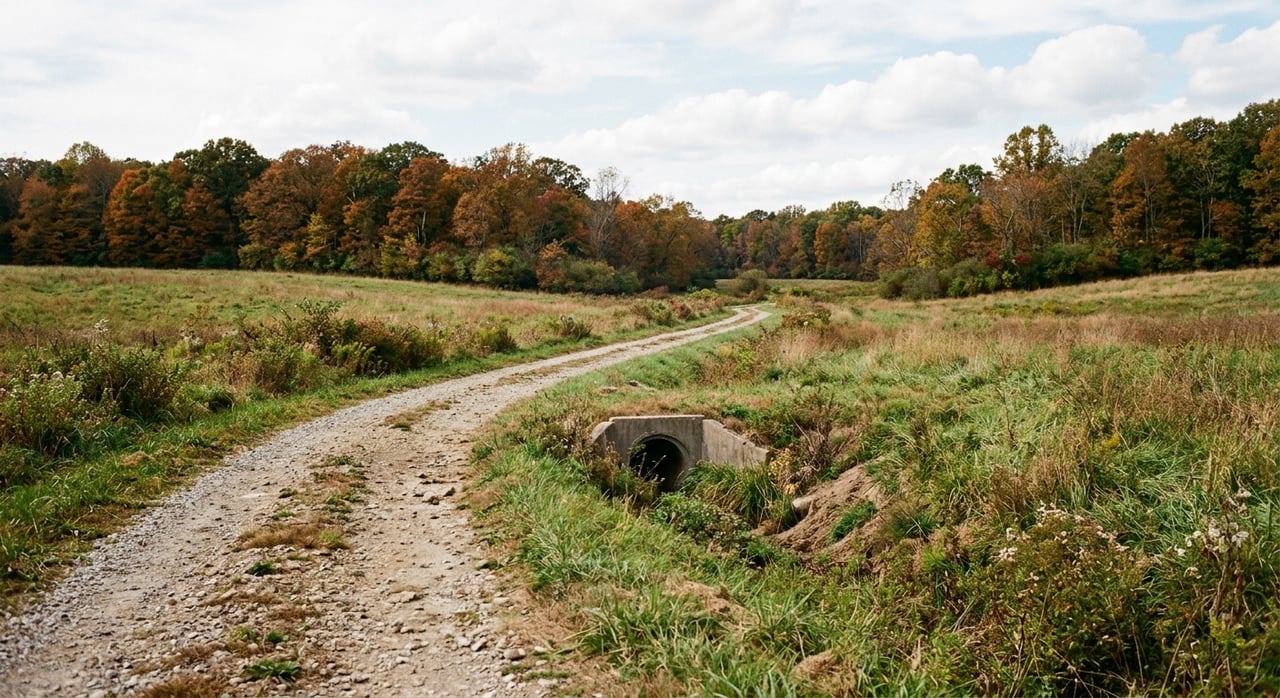
If your build will access a county road, the entrance must be approved before a building permit is issued or before a new entrance is started. If the property needs a new culvert or driveway approach, that should be part of your budget planning from the beginning.
A wide-open tract can still have limits on where you can place a home. Setbacks are measured from the ultimate right-of-way, and setbacks may increase on major or minor roads or highways.
Utility easements and access easements can also affect your building envelope. That is why site planning should happen early, not after you have already chosen house plans.
Floodplain review matters on rural acreage, even when the property does not look flood-prone at first glance. Miami County participates in the National Flood Insurance Program and requires a floodplain development permit for development in designated flood zones.
That includes more than just the house itself. Accessory structures, utilities, culverts, and grading can also trigger floodplain review if they are located in a designated flood zone.
Soil, slope, drainage, and terrain matter too. These factors can affect your house design, site prep costs, driveway layout, and the type of onsite wastewater system the county may approve.
A tract that looks easy to build on may still need extra grading or a different septic design because of slope or soil conditions. That is one reason the county recommends evaluating these conditions early, ideally before closing.
Many build delays happen because buyers assume they can work out the details later. In Miami County, the permit sequence matters, and some items must be approved before the building permit can be issued.
For a new rural home, the county's permit packet says you need:
The county states that the building permit will not be issued until the onsite wastewater design is approved and the installation or connection permit is in hand. That makes wastewater planning one of the key early checkpoints.
Miami County requires building permits for new structures, and separate structures require separate permits. If your plan includes a house, shop, detached garage, or other outbuilding, you should expect each one to have its own approval path.
The county also reviews plans before issuing permits. If a site is tight or more complex, a surveyor-prepared site plan and construction staking may be required.
Starting work too early can create bigger problems. The county can issue stop-construction orders if work begins without the required approvals.
If you plan to stay on-site while your home is being built, the county does not generally allow a mobile home as the temporary solution. It does allow a temporary recreational vehicle with a permit during construction.
For some buyers, that option can help with logistics during a longer rural build. It is still something to confirm with the county before making plans.
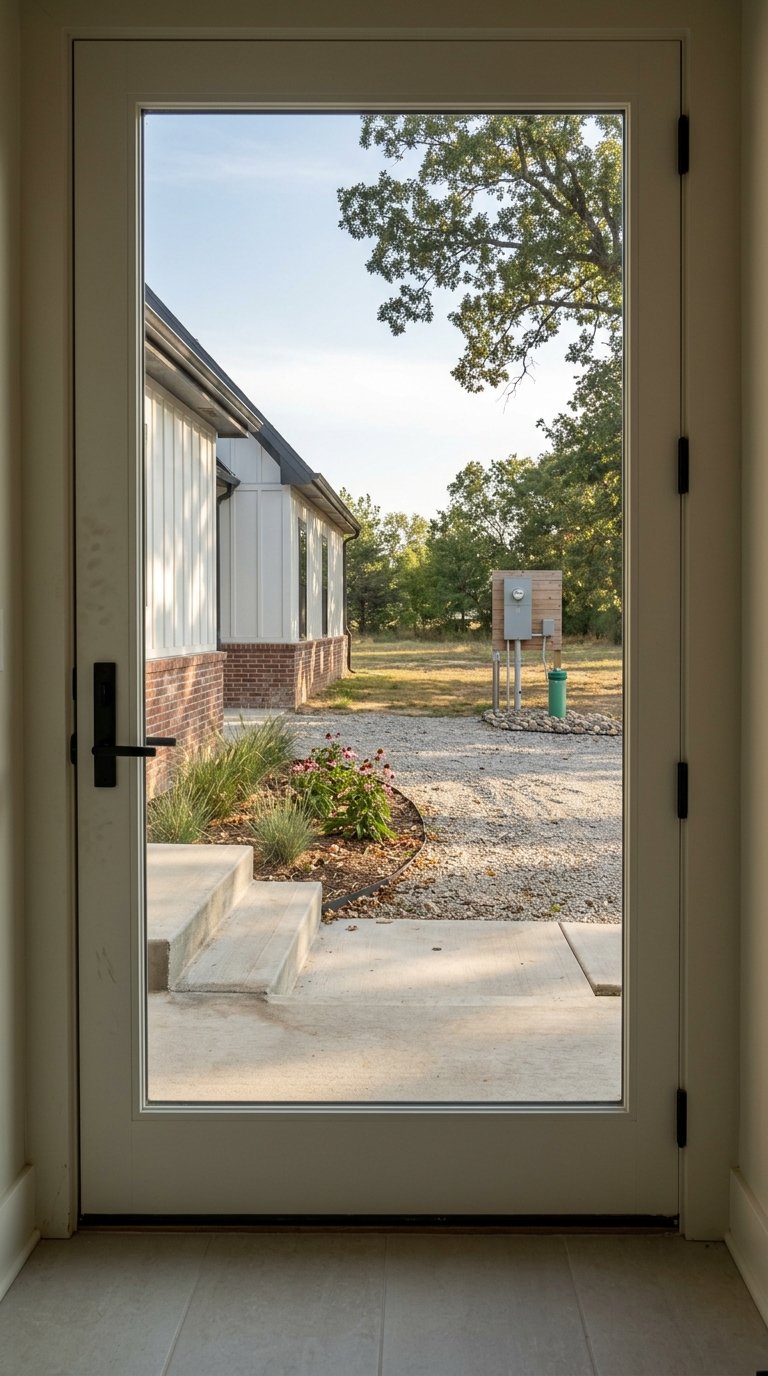
Utilities on acreage are rarely as simple as flipping a switch. Miami County notes that rural water is not available in all parts of the county, and being in a utility territory does not mean a line has already been extended to your specific building site.
That is why utility research should happen before you close. Extension costs for water and electric can be significant, and pricing depends on distance and site conditions.
Miami County requires a water well permit. The county guide says wells must be registered with code services and installed by a KDHE-licensed water well contractor.
For wastewater, a soil profile analysis is needed to determine the onsite system. The system design is tied to soil conditions, slope, and the number of bedrooms in the home.
If you are buying property with an existing system, the county recommends having that system inspected during the purchase process. Even if a system is already there, it may not match your future building plans.
Most rural areas in Miami County do not have natural gas service. Buyers should be prepared to consider propane, electric, wood, or heat-pump options.
Internet is also site-specific rather than guaranteed. Depending on location, service options may include DSL, fiber, point-to-point wireless, cellular, or satellite. Trash pickup is typically handled by private haulers.
When you buy acreage with plans to build, financing often needs more strategy than a standard home purchase. The practical question is usually whether the lender will treat the transaction as land-only, construction-only, or construction-to-permanent financing.
That is why it helps to bring your lender into the conversation early. County approvals for entrance access, wastewater, and building plans all affect the timing of when a build can move forward.
A good plan is to think about the land purchase, construction phase, and long-term mortgage together. When those pieces are aligned from the start, it is easier to avoid timing issues later.
Before you buy Miami County acreage for a future home, make sure you have answers to these questions:
Planning a home build on Miami County acreage can be a great path if you go in with clear expectations. The county is well-positioned for rural homesites, but the best outcomes usually come from checking zoning, tract legality, access, utilities, floodplain status, and septic feasibility before you commit.
That kind of planning helps you protect your budget and build with more confidence. If you want practical guidance as you sort through acreage options in eastern Kansas, Dez Poole can help you evaluate land with a steady, local, boots-on-the-ground approach.
Stay up to date on the latest real estate trends.


Providing a seamless real estate journey through thoughtful planning, clear communication, and a deep understanding of the market, helping clients make empowered decisions whether buying, selling, or investing.