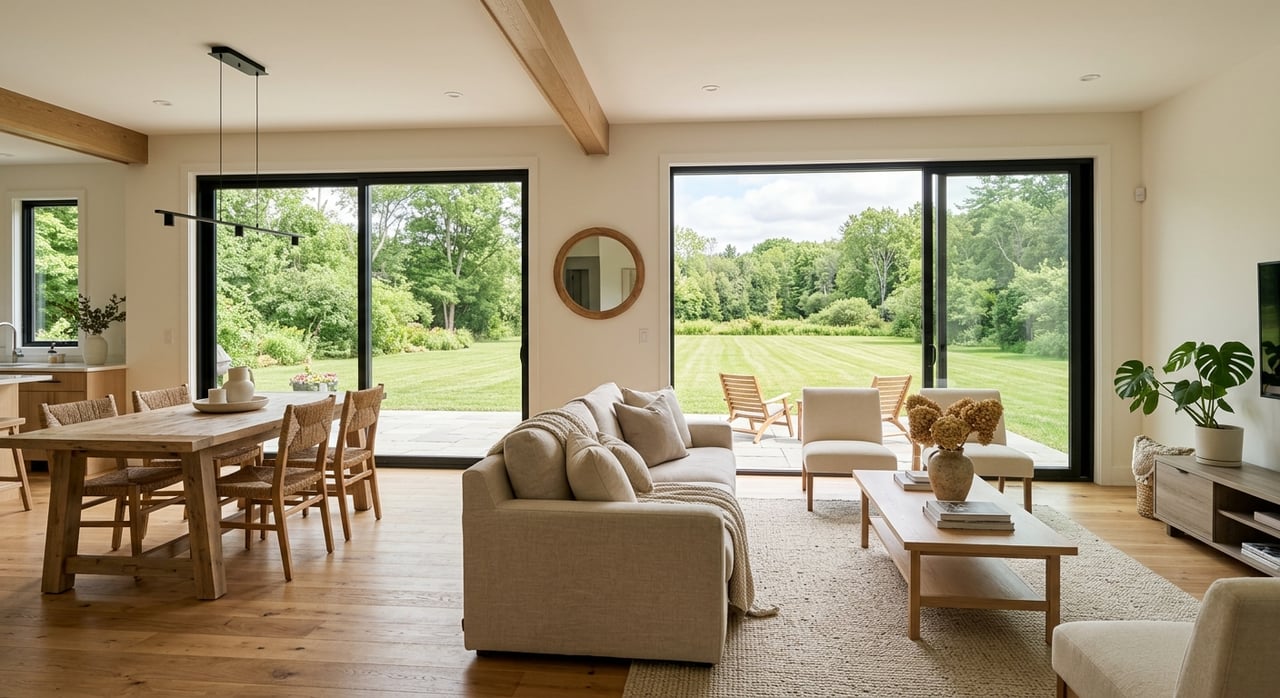
Sell Your Olathe Home and Move to the Country
June 4, 2026
June 4, 2026
Thinking about selling your Olathe home so you can trade traffic for open space? You are not alone, and the move can be exciting, but it also comes with a few timing and property questions that catch many sellers off guard. If your goal is to leave Olathe for a rural home, acreage, or small-town property, the key is to plan both sides of the move together. Let’s dive in.
Olathe remains a fast-moving market. In Redfin’s April 2026 snapshot, the median sale price was $474,755, homes sold in about 16 days, and 48.6% of homes sold above list price.
That kind of pace can help you as a seller, but it also means your next move can come together quickly. If you wait until after your home is listed to think about financing, inspections, or where you want to move, you may feel rushed on the buy side.
For many homeowners, the goal is simple: sell in Olathe, unlock equity, and move to more land, more privacy, or a different pace of life. The smoother path usually starts before your sign ever goes in the yard.
If you are moving to the country, your sale in Olathe is only half the story. You also need a realistic plan for how and when you will buy your next property.
The Consumer Financial Protection Bureau notes that homeowners who want to move often try to sell their current home before buying another one. It also recommends budgeting for closing costs, moving costs, repairs, and future property taxes and insurance.
That is especially important when you are moving from a suburban home to a rural property. Your costs, property features, and inspection needs may look different than what you are used to in Olathe.
Before listing, get mortgage preapproval lined up if you plan to finance your next purchase. A preapproval letter can show sellers you are serious, but it is not the same as final loan approval.
The CFPB also recommends contacting at least three lenders so you can compare official Loan Estimates. That gives you a clearer picture of your payment, rate options, and closing costs before you make decisions under pressure.
Rural moves often involve more than a new address. You may be looking at acreage, a private well, a septic system, or a property farther from major service areas.
Build your plan around the full cost of the move, not just the sales price. Include expected repairs, moving costs, lender fees, property taxes, insurance, and any setup costs tied to the new property.
One of the biggest questions sellers ask is how to line up both closings without creating a gap. The answer depends on your financing, the terms of your sale, and how prepared you are before offers start coming in.
Once a seller accepts an offer on the home you want to buy, the timeline can move fast. The CFPB says buyers may have as little as a couple of days to line up financing, and the closing process can then take several weeks as documents and signatures are completed.
Even when things go smoothly, there is a built-in review period. Your lender must provide the Closing Disclosure at least three business days before closing.
In a fast Olathe market, your current home may sell quickly. That is great news, but it also means you need to be ready to act when the right rural property appears.
Preparation helps you avoid two common problems: scrambling to secure financing and overlooking property issues because you feel rushed. Both can add stress and cost to an already busy move.
In some cases, temporary overlap between homes may be possible. CFPB mortgage rules recognize a temporary bridge loan of 12 months or less as a structure that can be used to buy a new dwelling while planning to sell the current home within 12 months.
That said, bridge financing is not a one-size-fits-all solution. If you are considering that route, you will want to discuss costs, timing, and risk with your lender early.
Rate locks are commonly 30, 45, or 60 days. If your transaction takes longer than expected, an extension may cost money.
That matters when you are coordinating an Olathe sale with a rural purchase that may involve extra inspections or county-level permits. Small delays can have real financial effects, so a well-managed timeline matters.
Moving to the country can be rewarding, but rural properties often need more investigation than a typical suburban home. This is where many buyers benefit from practical guidance and steady communication.
A standard home inspection in Kansas is visual and non-invasive. State law also makes clear that it does not cover on-site water supplies and wells, private waste systems, wood-destroying organisms or pests, or issues such as mold, asbestos, lead-based paint, gases, and air-quality concerns.
That means a standard inspection may not answer some of the most important questions about a rural property. If you are buying a home with a well or septic system, you may need separate inspections or testing.
The Kansas Department of Health and Environment says private domestic wells are not public water supply systems and are not regulated by its Public Water Supply Section. It also notes that private-well safety depends on location, construction, and possible contamination sources.
KDHE recommends inspection by a public health professional before bacterial testing. In practical terms, if your next home relies on a private well, make sure you understand both the physical condition of the system and the water-testing process.
In nearby rural areas such as Miami County, Environmental Health requires water wells to be permitted, built to state specifications, drilled by a Kansas-licensed contractor, and recorded with the state after drilling. If your move takes you into county-regulated rural property, local records and permit history can matter.
A rural property may also rely on an onsite wastewater system rather than city sewer. Miami County’s Environmental Health department points owners and buyers to onsite wastewater permits, renewal processes, and licensed installers and pumpers.
This is one reason rural purchases need extra review. You want to know what system is in place, whether records are available, and whether maintenance or replacement may be needed.
Kansas residential sale contracts must include radon language, and sellers must disclose known elevated radon. KDHE also recommends that buyers test before purchase or occupancy.
During a real estate transaction, radon testing must be completed by a state-certified measurement professional. If you are moving from Olathe into a rural home, do not assume the standard inspection covers this automatically.
Country properties can come with details that are easy to miss if you are focused only on acreage or the house itself. A careful contract review helps reduce surprises later.
Kansas law requires sellers to disclose if a property is subject to a special assessment or improvement-district fee, and the buyer must acknowledge that disclosure. Depending on the parcel and location, that is something to review before you get too far down the road.
The CFPB also recommends making offers contingent on financing and a satisfactory inspection. Those contingencies can help protect you if the loan falls through or a property inspection reveals serious issues.
When you are selling in Olathe and buying in a more rural area, clear communication keeps the whole move from slipping out of sync. That includes updates with your agent, lender, inspectors, and closing professionals.
Kansas law requires seller’s agents to present offers in a timely manner, disclose adverse material facts actually known, and advise clients to seek expert help on issues beyond the agent’s expertise. Kansas transaction brokers also have duties to help keep parties informed and assist with closing.
In plain terms, active communication is not just helpful. It is a key part of getting from listing to closing with fewer surprises.
If you want to sell in Olathe so you can move to the country, keep the process simple and structured. The goal is not just to sell quickly. It is to sell well, buy wisely, and move with confidence.
A strong plan usually includes:
If you are making a move like this, you want someone who understands both the fast pace of a KC-area market and the extra layers that can come with rural property. That kind of guidance can make the process feel a lot more manageable from start to finish.
If you are getting ready to sell in Olathe and head for more space, acreage, or a small-town setting, Dez Poole can help you map out the move with clear communication, practical advice, and hands-on support.
Stay up to date on the latest real estate trends.
Providing a seamless real estate journey through thoughtful planning, clear communication, and a deep understanding of the market, helping clients make empowered decisions whether buying, selling, or investing.