Town Or Country? Choosing Where To Buy In Linn County
July 9, 2026
July 9, 2026
Trying to decide between a home in town and a place with acreage in Linn County? You are not alone. Many buyers love the idea of open space, but they also want a home that is simple to live in every day. The good news is that Linn County offers both options, and each comes with clear pros, tradeoffs, and planning steps. Let’s dive in.
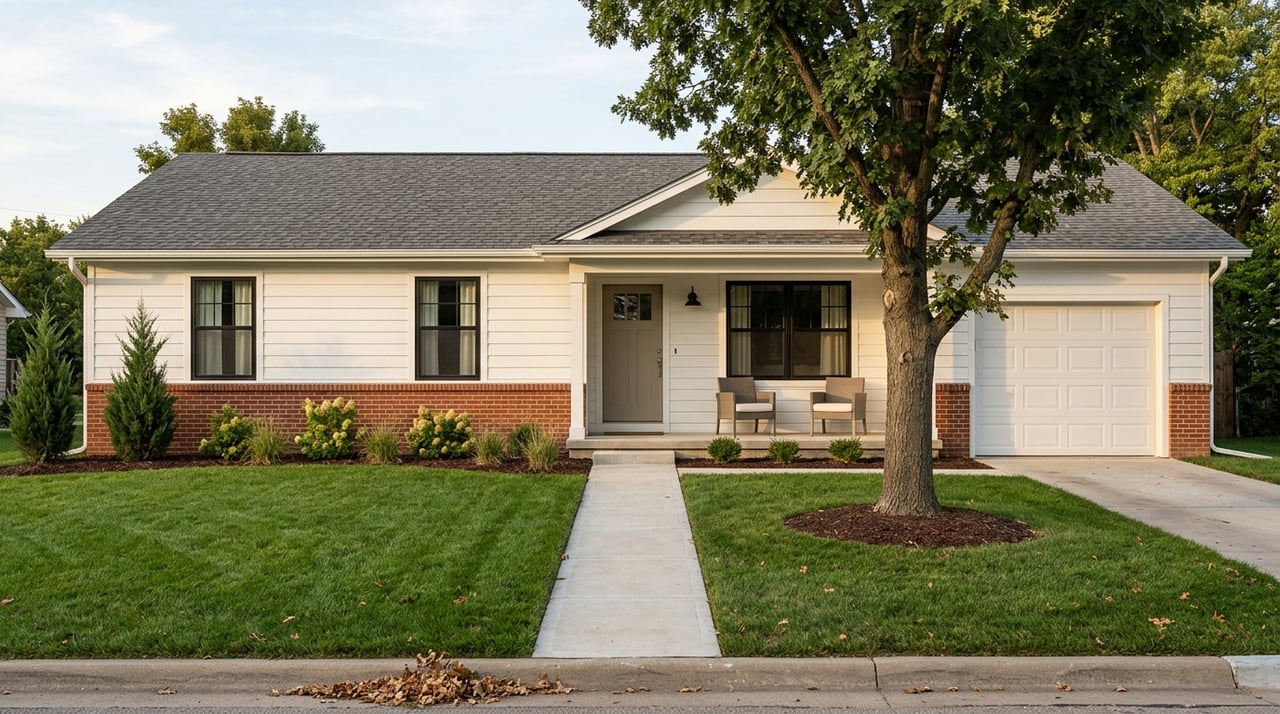
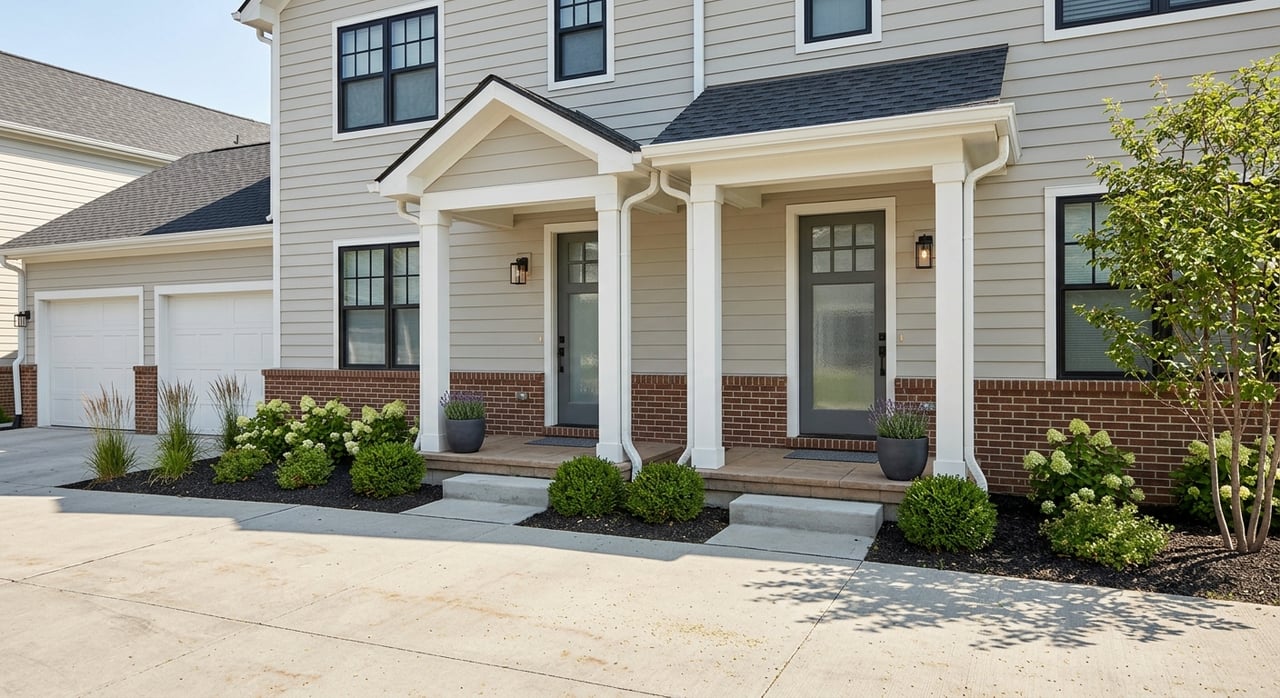
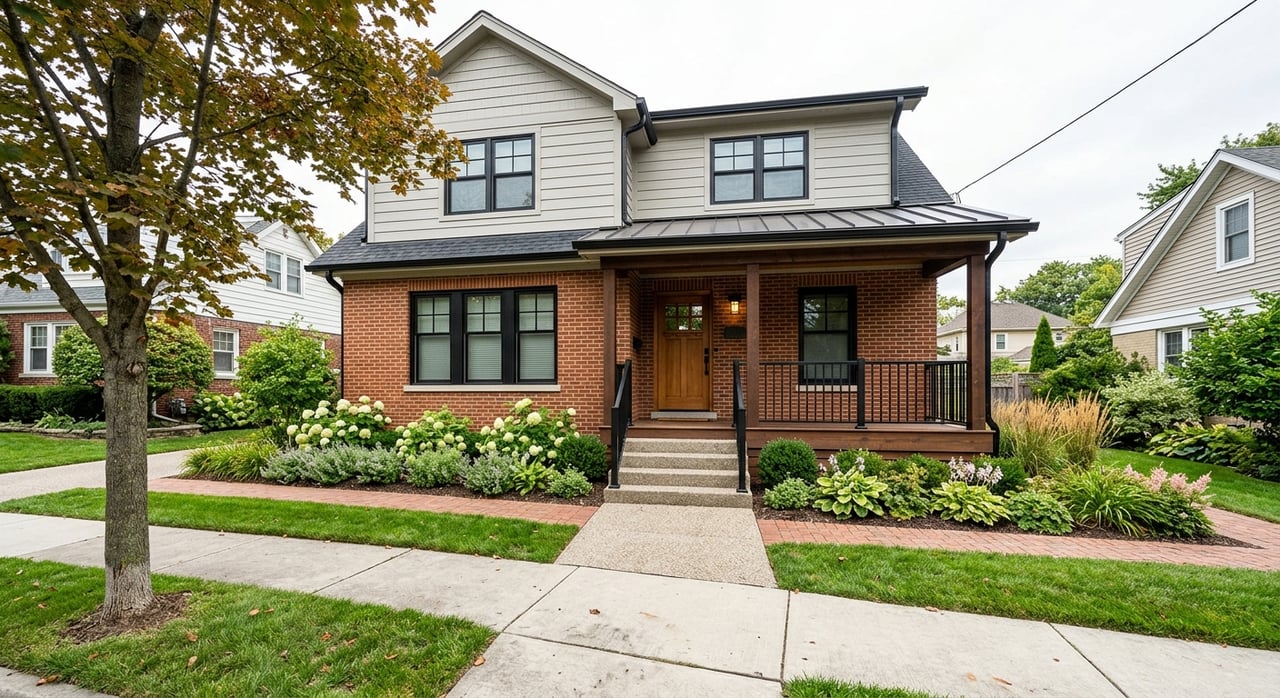
If convenience matters most to you, buying in town may feel more straightforward. In many Linn County communities, city services can make daily life easier because water, sewer, and other utilities are already part of the system.
Pleasanton is one example of that convenience. The city lists water, sanitary sewer, Evergy electric service, Atmos gas, and Craw-Kan phone and internet. Pleasanton also has a compactor that Linn County residents can use at no charge, and new water accounts require a $75 deposit.
Mound City also offers a more structured utility setup. The city lists municipal water, Evergy, gas, fiber internet options, plus a burn site and a compactor. For buyers who want fewer moving parts after closing, that kind of setup can be appealing.
La Cygne offers public water, sewer, natural gas, electricity, and fiber internet. Its utilities information also notes that refuse can be taken to the local compactor or picked up at home or business for a monthly fee. New residential customers in La Cygne are required to pay a $200 water deposit and a $200 gas deposit.
Linn Valley is a little different and shows why it helps to verify services lot by lot. The city is a small recreational community built largely around Linn Valley Lakes, and utilities can vary depending on the property. Some lots may have low-pressure sewer, while others may use holding tanks or POA collection, and water may come through Rural Water District #1 or the POA.
If you are considering Linn Valley, permits are another point to keep in mind. The city requires building permits for most new construction, alterations, and repairs within city limits. That can matter if you plan to update, expand, or build after purchase.
In many cases, a home in town means fewer infrastructure questions before you buy. You are more likely to have a defined utility provider, easier trash options, and less uncertainty around water and wastewater service.
That does not mean every in-town property is identical. As Linn Valley shows, even city properties can have different utility arrangements depending on the lot. Still, in-town homes often offer a more predictable setup than rural acreage.
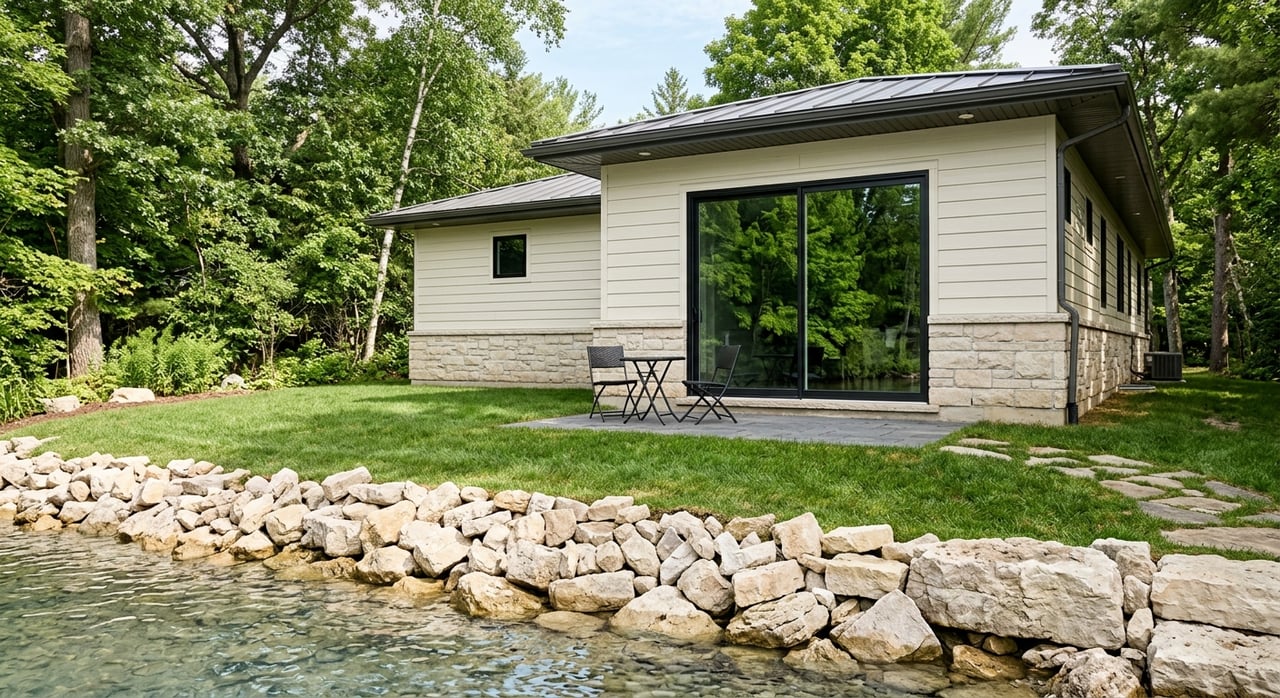
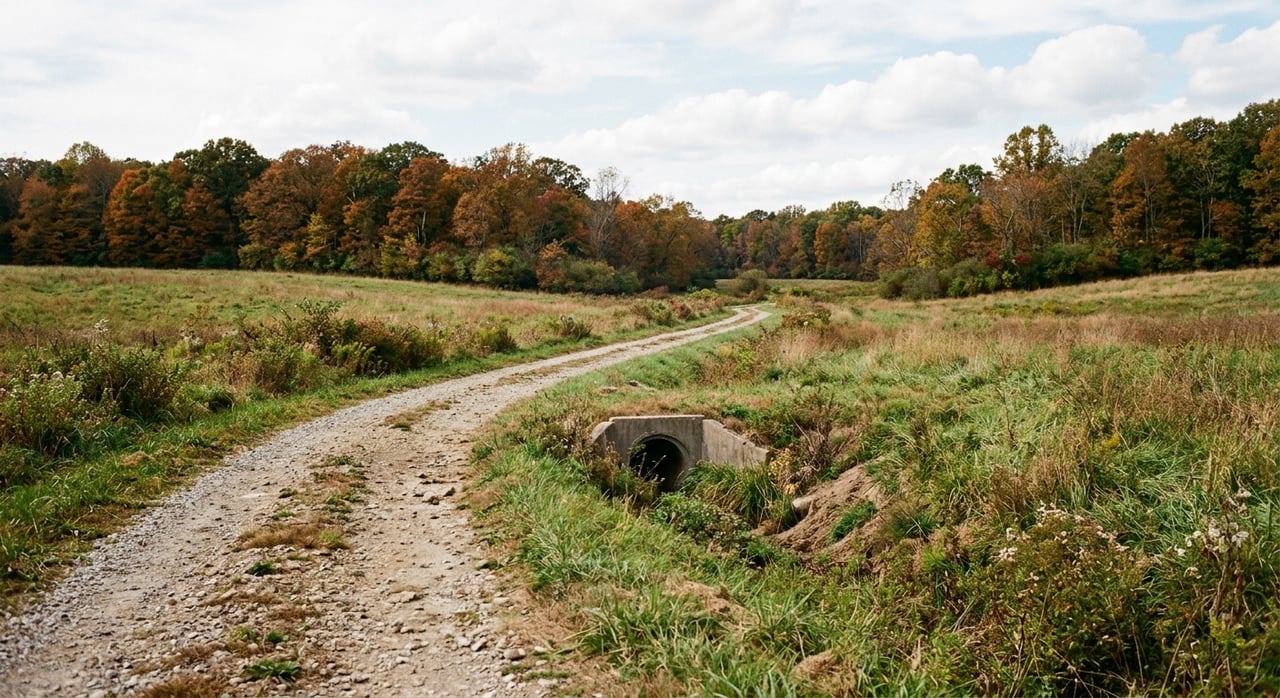
If you want privacy, room to spread out, or land for a specific lifestyle, rural Linn County property can be a great fit. At the same time, country living often requires more buyer research before you write an offer.
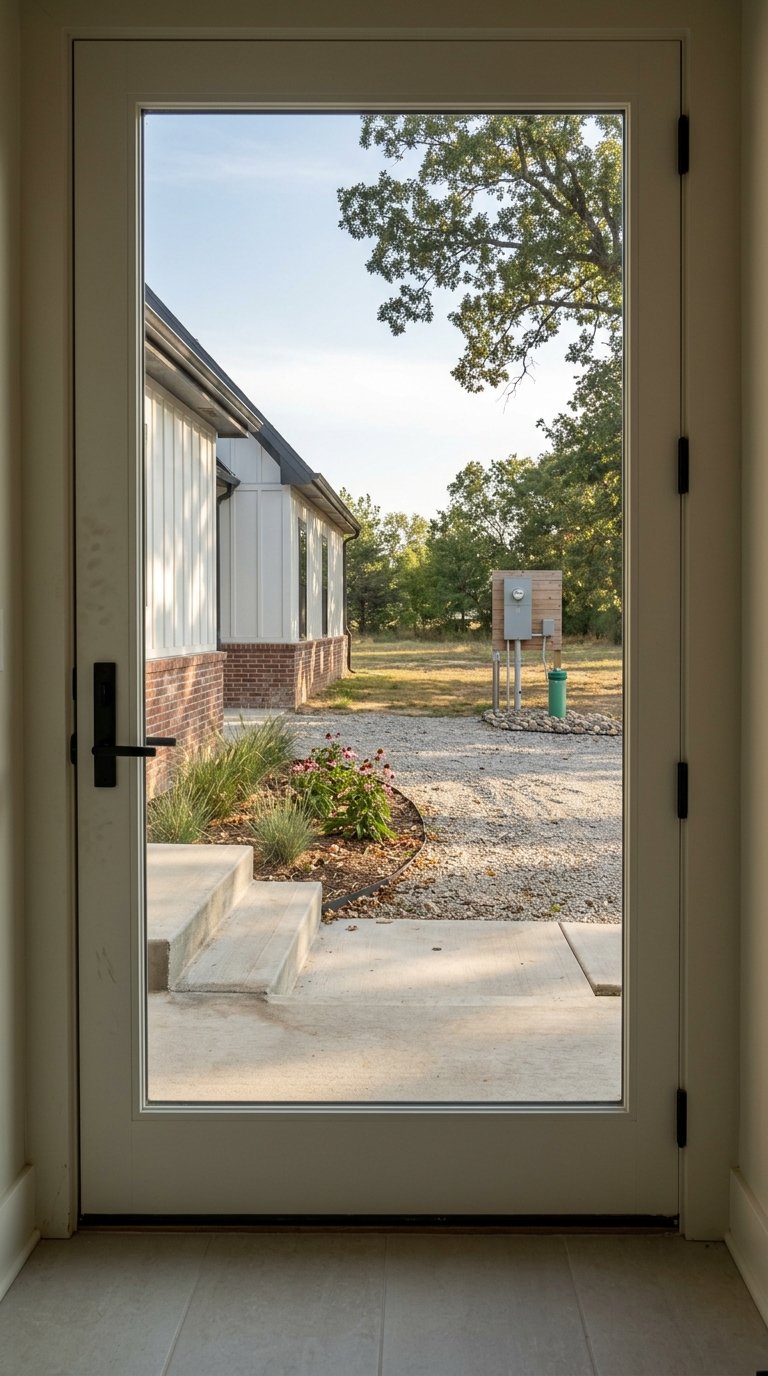
Outside city limits, you may be dealing with a private well or a rural water district instead of municipal water. You may also need to evaluate a septic system rather than public sewer. On top of that, road access, electric service, flood considerations, and zoning can all vary from parcel to parcel.
Linn County’s Planning and Zoning Department handles issues that matter to acreage buyers, including building permits, zoning changes, conditional use permits, subdivision plats, lot splits, flood-zone questions, manufactured homes, and problems with wastewater facilities or septic tanks. That tells you something important: rural property decisions are often highly specific to the individual parcel.
When you buy acreage, water source is one of the first things to confirm. If the property uses a private well, Kansas guidance says the well owner is responsible for the water quality. KDHE also notes that local governments handle private-well policies and testing.
KDHE says minimum separation distances between wells and contamination sources matter, with 100 feet or more providing better protection. It also notes that lots of at least five acres are often needed when each lot has both a well and a septic system. That does not mean every rural property follows one exact formula, but it does show why a quick glance at acreage is never enough.
A septic system is another key part of the country-versus-town decision. All septic tanks installed in Kansas must comply with KDHE Bulletin 4-2, and Linn County’s planning department specifically directs residents with wastewater or septic issues to contact the county.
For you as a buyer, that means septic condition should never be treated like a small detail. If a property has an older system, a nonstandard setup, or signs of repair needs, you want that information early. It can affect both your comfort level and your next steps.
With rural homes and land, the commute is not just about distance. It is also about the road you take every day, how that road is maintained, and whether access issues could affect your plans.
Linn County’s public GIS tools include road status layers, along with mapping for rural water districts, electric providers, and flood risk review. The county notes that these maps are for reference only and should be independently verified for legal or high-stakes decisions. Even so, they are a useful starting point when you are comparing parcels.
This is one of the biggest differences between buying in town and buying in the country. A town property may be easier to evaluate at a glance, while a rural property usually needs more careful checking before you feel confident moving forward.
For many buyers, town living is really about routine. You may want shorter errands, simpler utility setup, and less property maintenance to think about every weekend.
Pleasanton says it is about 67 miles south of Kansas City on Highway 69. La Cygne says it is four miles west of U.S. 69 on K-152, with nearby four-lane U.S. 69 providing access to the Kansas City metro area. Linn Valley says it is about 38 miles south of Overland Park and is easily accessed from Kansas Highway 69.
If you expect to commute or make regular trips north, those access points can shape your search. Even within the same county, the feel of your day-to-day schedule can change based on where you buy.
Country living often gives you more space and flexibility. You may enjoy having room for outdoor use, privacy from neighbors, or a property that feels more removed from the pace of town.
That extra freedom usually comes with extra responsibility. You may need to think more about utility setup, wastewater systems, trash options, access roads, and future improvements. If you love the land and are comfortable doing the homework, that tradeoff can be worth it.
For some rural buyers, financing may open more options than expected. USDA Rural Development says its Single Family Housing Guaranteed Loan Program offers 100% financing with no money down in eligible rural areas, is not limited to first-time buyers, and requires the home to be your primary residence.
USDA also says there is no set maximum purchase price or acreage limit as long as the acreage is common for the area. The property must not be primarily designed for income-producing activity. USDA materials also say loans are based on appraised value rather than purchase price and may include items such as utility connection fees, tax and insurance escrow, essential household equipment, and site preparation.
That does not mean every rural property will qualify the same way. If you are comparing acreage, it is smart to confirm whether a specific address is in an eligible rural area and whether any barns, shops, land use features, or income-producing elements could affect the loan fit.
If you are stuck between town and country, start with how you want your life to feel after move-in. Do you want a more predictable setup with city utilities and easier errands, or do you want land, privacy, and room to use property differently?
In Linn County, town living usually means more convenience and fewer infrastructure decisions. Acreage usually means more privacy and flexibility, but it also calls for more due diligence. Neither option is better for everyone. The right fit depends on how much simplicity, space, and hands-on planning you want.
If you are shopping in town, it helps to confirm:
If you are shopping for acreage, make sure you confirm:
Buying in Linn County is not about choosing the “best” type of property. It is about choosing the setup that matches your budget, goals, and comfort level with the details. If you want clear guidance as you compare homes in town, lake-area property, or rural acreage, Dez Poole can help you sort through the options and move forward with confidence.
Stay up to date on the latest real estate trends.
Providing a seamless real estate journey through thoughtful planning, clear communication, and a deep understanding of the market, helping clients make empowered decisions whether buying, selling, or investing.