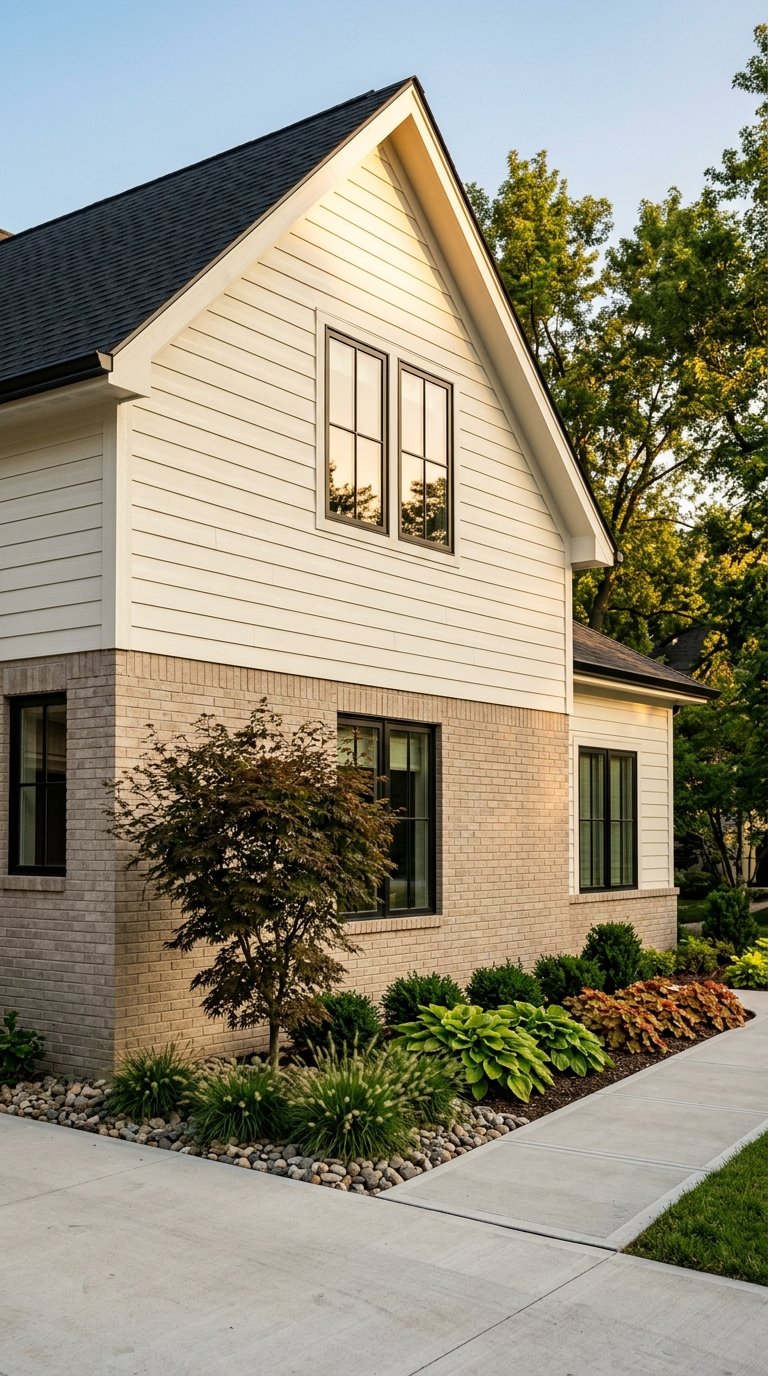
How De Soto KS Real Estate Growth Is Shaping the Market
June 11, 2026
June 11, 2026
If you have been watching De Soto, you already know something big is happening. This small Johnson County city is still recognizable for its local feel, but it is also sitting in the path of major job growth, infrastructure investment, and new housing development. If you are thinking about buying, selling, or investing here, understanding what is changing can help you make a smarter move. Let’s dive in.
De Soto sits along the K-10 corridor between Kansas City and Lawrence, which gives it a location advantage that feels practical for both daily life and long-term growth. As of July 2024, the city’s estimated population was 6,579, up 7.5% from April 2020. That growth matters because it shows De Soto is not standing still.
Even with that momentum, De Soto remains relatively small in scale at 11.26 square miles. For many buyers, that creates an appealing mix of community feel and metro access. It is one reason this market is drawing more attention from people who want options outside the busiest parts of the KC area.
De Soto’s housing fundamentals are solid compared with broader benchmarks. The owner-occupied rate is 73.0%, the median owner-occupied home value is $370,700, the median gross rent is $1,097, and median household income is $105,500.
Those numbers help paint a useful picture. Compared with Kansas overall, De Soto shows stronger home values and household income. Compared with Johnson County, De Soto’s owner-occupied rate is slightly higher, while median home value is in a similar range.
For buyers, this can signal a market with established owner demand rather than a purely speculative feel. For sellers, it points to a community where homeownership is a major part of the local housing mix. For investors, it suggests a market worth watching as new jobs and new housing types continue to come online.
The biggest growth driver is the Panasonic EV battery plant at Astra Enterprise Park. According to the city’s development agreement, the project includes about $229 million in public infrastructure and requires at least $1 billion in investment and 2,500 full-time employees to receive TIF funds.
Panasonic’s July 2025 opening announcement adds even more scale. The factory is about 300 acres and 4.7 million square feet, and it is expected to support up to 4,000 direct jobs and about 8,000 total jobs.
That kind of employment growth can reshape real estate demand over time. More workers often mean more need for homes, rentals, services, and commercial spaces, though not all of that demand will land inside De Soto city limits.
One important detail from the city is that many workers tied to this employment wave may live in nearby communities such as Olathe, Eudora, Lenexa, and Shawnee. That means De Soto is part of a larger regional story, not an isolated market.
For you, that matters because location within the submarket becomes more important. A property with easier access to K-10 or the southwest growth corridor may appeal differently than a property farther from those routes and infrastructure improvements.
This is not just a story about one major employer. De Soto also has a wider development pipeline that is adding more housing variety, which can change what buyers and renters are able to find in the area.
The city’s active investment records list multiple projects, including K-10 Apartments Phase I with 122 units, Phase II with 56 units, The Residences at Lexington with 382 apartments, Flint Meadows East with 426 multifamily units and 167 single-family homes, Flint Meadows West with 248 duplex units, The RIO Apartments with 59 units, Valley Spring Duplexes with 24 townhomes, and Eagle Creek Townhomes with 21 units.
When a market adds apartments, duplexes, townhomes, and single-family homes, it becomes more flexible. That can help first-time buyers, move-up buyers, renters, and investors all find different entry points. It also means De Soto’s future housing mix may look broader than the traditional one-subdivision-at-a-time pattern some smaller cities see.
The city has also said there is still land available for housing south of K-10. Historically, utility extension costs were a major obstacle there, so future growth will depend in part on how infrastructure continues to expand.
Real estate growth works best when roads, utilities, and public systems keep up. In De Soto, infrastructure is not an afterthought. It is central to how the city is managing growth.
The city says it completed the largest infrastructure project in its history with a new water plant that restored 8 million gallons per day of capacity. The Panasonic agreement also funds roadway, water, sewer, and fire projects, which shows the city is planning for demand rather than simply reacting to it.
Infrastructure planning can affect where new homes are built, how quickly projects move, and which areas become more convenient over time. It can also influence traffic patterns, utility access, and long-term land use.
KDOT’s K-10 corridor project across De Soto, Lenexa, and Olathe is part of that conversation as well, though construction funding is not yet secured. That makes timing an important factor if you are trying to read where the next phase of market activity may happen.
One of the most encouraging parts of De Soto’s growth story is that the city is framing this as managed growth, not unchecked expansion. Much of the large-scale new activity is southwest of the main residential and commercial areas, centered around redevelopment of the former Sunflower Army Ammunition Plant site.
Astra Enterprise Park is a redevelopment area of more than 9,000 acres, with planned industrial, solar, parks and public-benefit land, and multi-use or light industrial acreage. The city says the site is expected to be fully remediated by 2028.
De Soto’s Comprehensive Plan serves as the legal and conceptual foundation for zoning and land-use decisions, and the next major overhaul is set to begin in 2026. The Future Land Use Map, updated in November 2025, guides how and where growth should happen over time.
That plan emphasizes preserving agriculture and open space, supporting low-density neighborhoods, maintaining a compact downtown, and buffering industrial and mixed-use areas from residential areas. It also makes clear that future land use guidance is not the same as current zoning, so actual changes still go through a formal public process.
Another key piece of the puzzle is the Southwest Growth Area plan. This plan covers more than 1,500 acres and is designed to expand infrastructure, increase housing variety, improve road, trail, and bike connectivity, and preserve De Soto’s small-town character.
Public input showed strong interest in trails, green space, and walkability. It also showed mixed views on higher-density residential and commercial uses, along with concern about stormwater and infrastructure capacity.
For buyers, that means future development is likely to involve both opportunity and debate. For sellers and property owners, it is a reminder that planning decisions can shape property context over several years, not overnight.
If you are shopping for a home in De Soto, this market offers more than one path. You may find established neighborhoods, newer housing, and future inventory tied to ongoing development. The key is to match your goals with where growth is happening and how soon you plan to move.
A few practical questions can help:
If you are buying with long-term value in mind, it helps to look beyond the house itself. Pay attention to utility expansion, nearby land use plans, traffic changes, and the broader job pipeline.
If you own property in De Soto, growth can create more interest in the market, but that does not mean every home should be priced the same way. Buyers are likely to pay attention to access, condition, location relative to growth areas, and how your property compares with newer options coming online.
As new inventory enters the market, presentation and pricing become even more important. A well-positioned listing can stand out, but only if it reflects what buyers are actually comparing in real time.
For investors, De Soto presents an interesting case because the opportunity is tied to real job and infrastructure catalysts. At the same time, the city has been clear that demand related to Panasonic and other development will likely spread across multiple nearby communities.
That means property selection matters. A rental, land purchase, or mixed-use opportunity near K-10 or within the path of utility and roadway investment may perform differently than a similar property farther from those growth areas.
If you are evaluating De Soto as an investment market, keep an eye on:
This is the kind of market that may evolve in stages. That can create opportunity, but it also rewards patience and careful property-level analysis.
In a changing market, broad headlines only get you so far. What really helps is understanding how growth plans, housing supply, location, and timing come together at the property level.
That is especially true in a place like De Soto, where the story includes residential homes, investment opportunities, land use shifts, and commercial growth. If you want practical guidance without the hype, working with someone who can look at the details and explain your options clearly can make the process a lot less stressful.
Whether you are buying your first home, selling a current property, or exploring an investment move in De Soto, Dez Poole can help you navigate the market with clear communication, local perspective, and hands-on support.
Stay up to date on the latest real estate trends.
Providing a seamless real estate journey through thoughtful planning, clear communication, and a deep understanding of the market, helping clients make empowered decisions whether buying, selling, or investing.