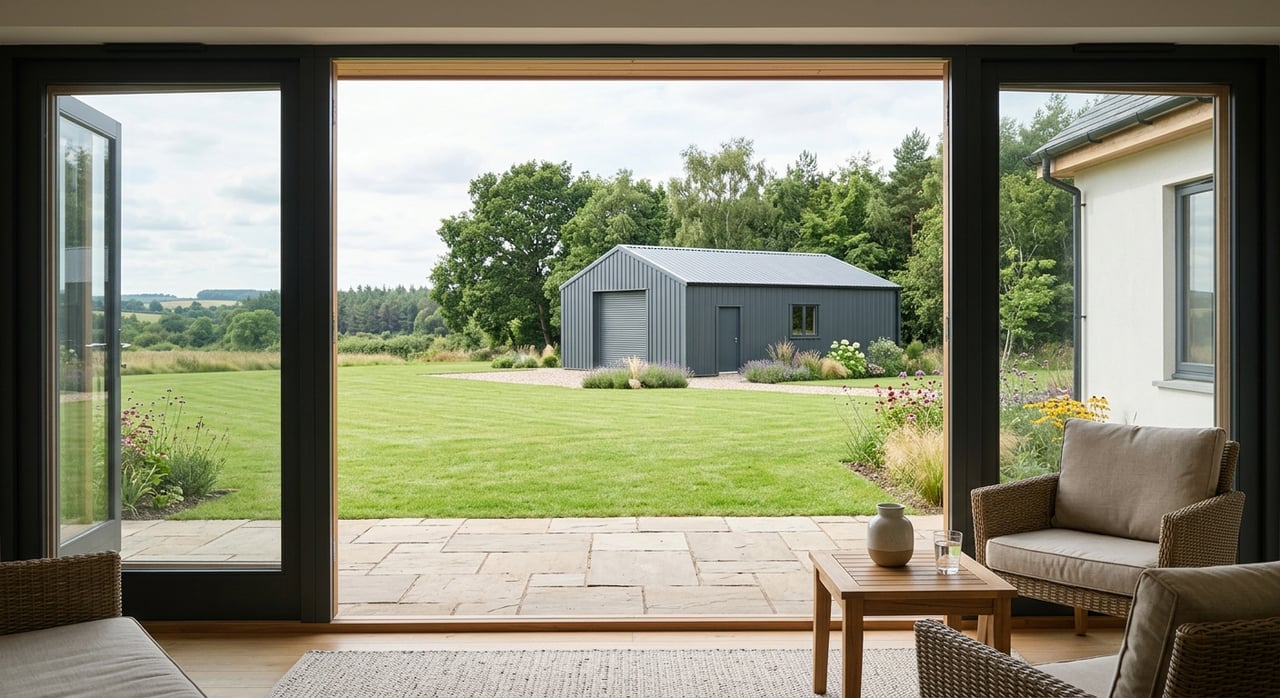
From Town Lots To Farm Ground: Housing In Bourbon County
May 14, 2026
May 14, 2026
If you have looked at homes or land in Bourbon County, you have probably noticed one thing fast: this is not a one-size-fits-all market. A small house in town, a home on a few acres, and a larger farm tract can sit in completely different price ranges and serve very different goals. If you want a clearer picture of what buyers are really finding here, this guide will help you understand the market by property type and price point. Let’s dive in.
Bourbon County is a low-density county with 14,360 residents spread across 635.46 square miles, according to the 2020 census. Fort Scott is the county seat and had 7,552 residents in that same count. The county also had 6,760 housing units, a 74.0% owner-occupancy rate, and a median owner-occupied home value of $113,800.
Those numbers help explain why housing here can feel varied. You are not just shopping one big suburban-style market. In Bourbon County, you may be choosing between an in-town lot, a few acres outside town, or land that is tied closely to agricultural use.
Another factor is limited new construction. Census QuickFacts shows only 9 building permits in 2024, which points to a market where existing homes and land matter a lot. A 2022 housing assessment commissioned by Bourbon County REDI also found that the county’s housing stock was inadequate for its diverse needs.
For many buyers, the first question is simple: what does an affordable home look like in Bourbon County? Based on current public-market examples, entry-level and in-town options can still be accessible compared with many other areas. The practical range for smaller-lot and in-town homes runs from the mid-$30,000s to about $200,000, depending on condition, location, and lot size.
Recent listing examples show how wide that range can be. Fort Scott had a home listed at $55,000 on a 6,000-square-foot lot. Fulton showed a $35,000 house on 0.94 acres, while Mapleton had a $198,000 house on a 0.23-acre lot.
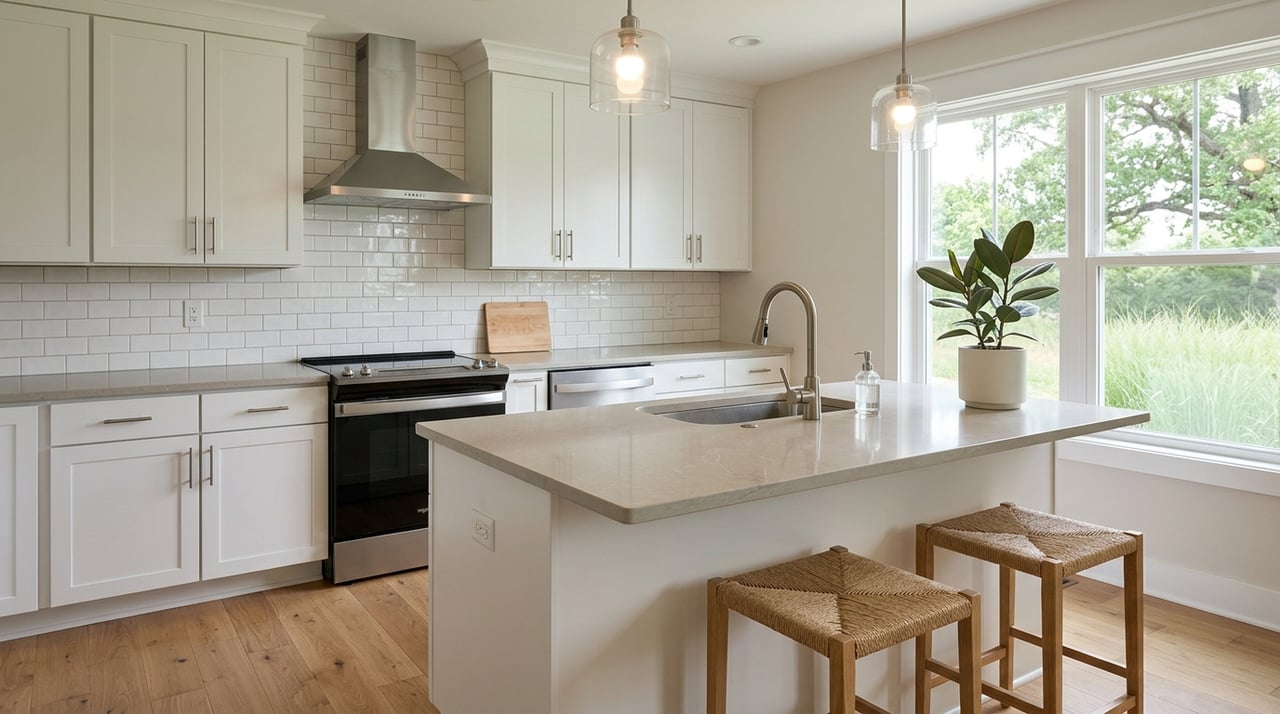
That spread matters because price is only one part of the story. A lower-priced property may need updates or repairs, while a higher-priced home may offer more finished space, better condition, or a more flexible lot. If you are comparing options, it helps to look at the whole package rather than the list price alone.
If you check several market reports, you will see that Bourbon County housing values do not line up perfectly across sources. That is normal because each source tracks a different measure and date. Taken together, they still paint a useful picture of a market that generally sits in the low-to-mid $100,000s.
As of Sept. 30, 2025, Zillow’s county home value estimate was $128,281, down 3.2% from the prior year. Realtor.com reported a county median listing price of $162,000. Redfin showed a median sale price of $90,000 in March 2026.
The takeaway is not that one number is right and the others are wrong. It is that Bourbon County includes a mix of property conditions, lot sizes, and locations, so the market can look different depending on whether you are tracking listings, estimated values, or closed sales.
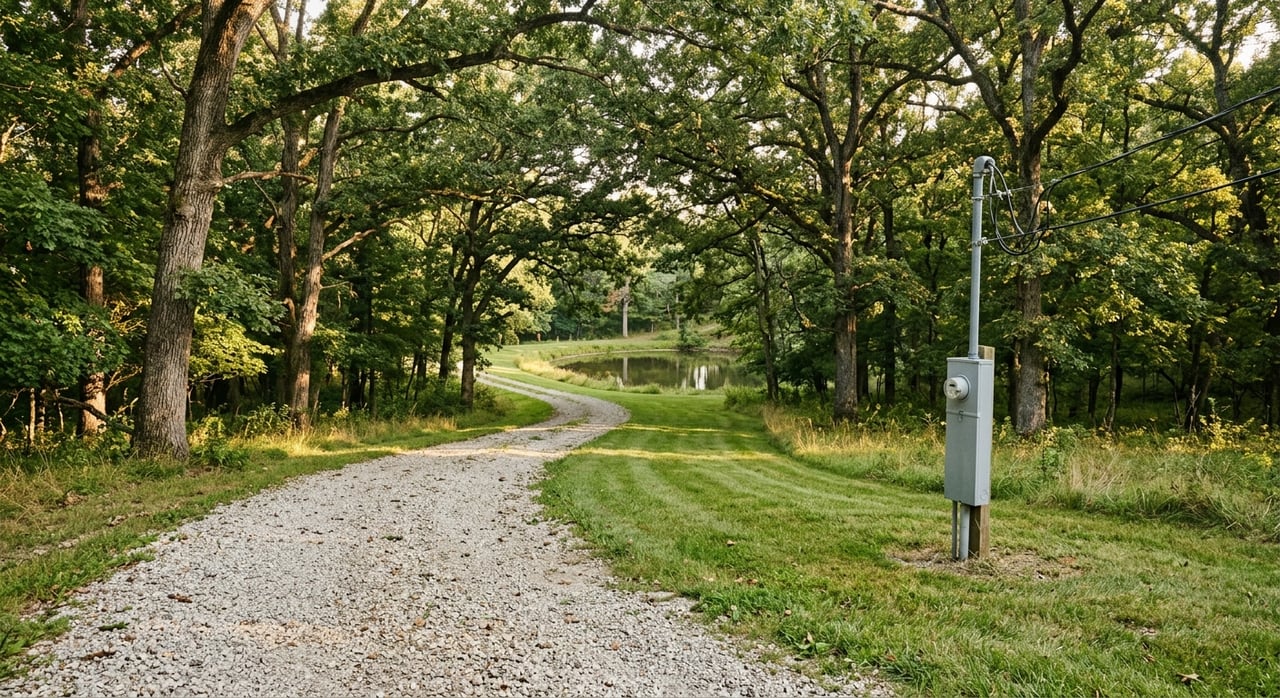
Once you move from town lots to small acreages, your search usually changes. You are no longer shopping only for bedrooms and bathrooms. You are also evaluating land use, upkeep, privacy, access, and how the property fits your day-to-day life.
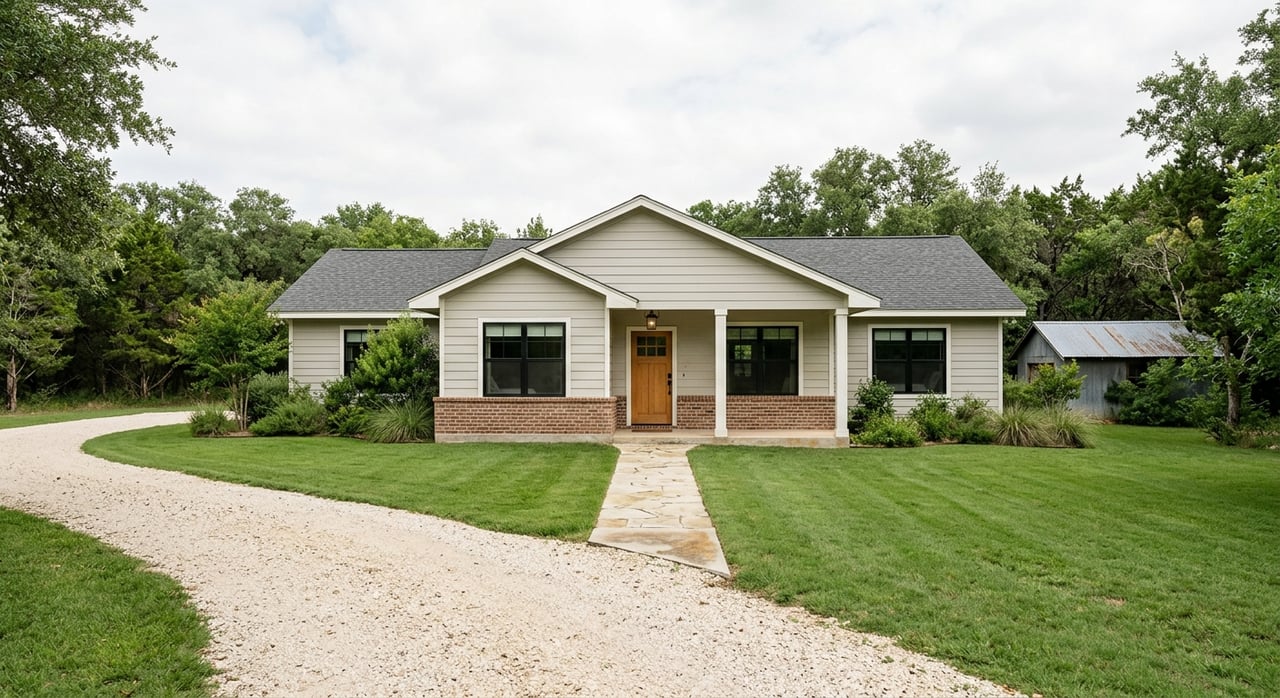
Current listings in Bourbon County show a visible middle tier for this kind of property. Mapleton examples included a 4-bedroom, 3-bath home on 1.8 acres for $239,000 and a 3-bedroom, 2-bath home on 1.5 acres for $479,900. Redfield had a 4-bedroom, 4-bath home on 9.93 acres listed at $559,000.
This is often where buyers start asking more detailed questions. How much land do you really want to maintain? Do you need room for outbuildings, animals, equipment, or simply extra breathing room? In this part of the market, the value often comes from the combination of house and land together.
The 2022 Bourbon County REDI housing assessment is useful context because it noted that the county’s housing stock was inadequate for its diverse needs. That makes the small-acreage segment especially important. It can serve buyers who want more than a town lot but are not looking for a full-scale farm operation.
In practical terms, that can include people who want a rural setting, extra storage space, or a property with room to grow into. It can also appeal to buyers who see land as part of the property’s long-term value. In Bourbon County, that middle ground between town living and larger farm tracts is a meaningful part of the market.
Farm ground and larger land tracts should be viewed as a separate category from homes on a few acres. Bourbon County has deep agricultural roots, and the numbers show how significant that land base is. USDA’s 2022 Census of Agriculture county profile reported 666 farms covering 311,422 acres, with an average farm size of 468 acres.
That same profile reported $77.148 million in market value of products sold. So when you look at larger tracts in Bourbon County, you are not just looking at open space. You are looking at land that may carry agricultural use, income potential, recreational appeal, or future building potential depending on the property.
Current land-market snapshots also show that larger parcels are common. Land.com listed 44 land properties for sale in Bourbon County, with an average lot size of 71.8 acres, a median list price of $480,000, and a median price per acre of $6,000. Realtor.com also showed a 316.05-acre farm listing at $1,579,900.
One important point for buyers and landowners is that agricultural land in Kansas is not valued the same way as other property for tax purposes. According to the Kansas Department of Revenue, county appraisers list agricultural use and acreage, but agricultural land is valued using state-set annual ag use values based on productive potential rather than fair market value.
That matters because market price and tax treatment are not always the same thing. A tract may sell based on location, access, land mix, ponds, timber, or building potential, while agricultural use valuation follows a different process. Kansas also reported Bourbon County agricultural values down 10.60% from November 2024 to July 2025 on its 2025 ag-land change map.
If you are comparing larger tracts, this is one more reason to look carefully at how the property is being used and what you want it to do for you. A house purchase and a land purchase can involve very different questions, even when both are in the same county.
Because Bourbon County is really several housing markets at once, buyers benefit from narrowing their goals early. A first-home budget, a lifestyle acreage search, and a farm-ground purchase each call for a different strategy. The more specific you are, the easier it becomes to filter the right options.
Here are a few practical questions to ask yourself:
These questions can save time and help you compare properties more clearly. In a market like Bourbon County, square footage alone rarely tells the full story.
The biggest lesson in Bourbon County is that price means different things in different segments. A lower-priced house in town may offer a simple path to ownership. A small-acreage property may cost more because land is a major part of the value. A larger tract may need to be evaluated for use, access, and long-term fit as much as for price per acre.
That is why local, practical guidance matters. When a market includes residential homes, rural homesites, and farm ground all in the same county, having someone who understands how to compare those property types can make your search much less stressful.
If you are thinking about buying or selling in Bourbon County, working with someone experienced in homes, land, and rural property can help you make a more confident decision. If you want straightforward advice and hands-on support, reach out to Dez Poole to schedule a free consultation.
Stay up to date on the latest real estate trends.
Providing a seamless real estate journey through thoughtful planning, clear communication, and a deep understanding of the market, helping clients make empowered decisions whether buying, selling, or investing.