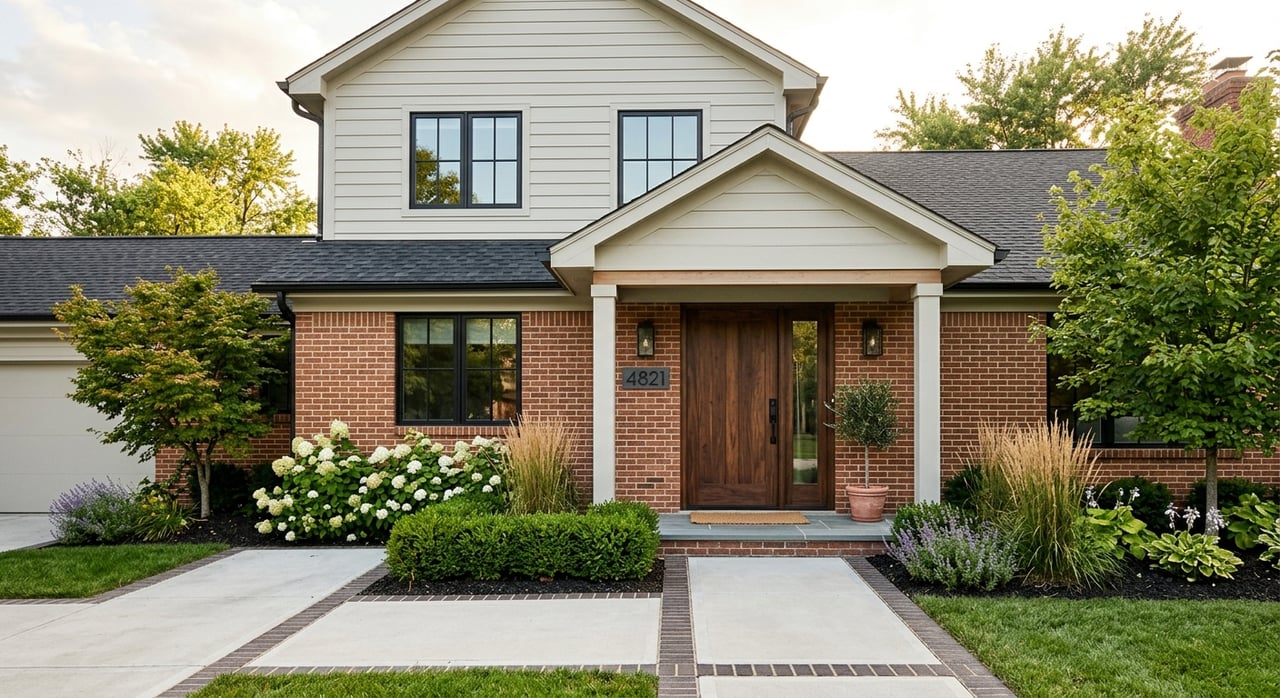
Leawood KS Or Small-Town Kansas? How The Markets Compare
May 21, 2026
May 21, 2026
If you are weighing Leawood against small-town Kansas, you are probably asking a bigger question than price alone: do you want convenience, or do you want more room to spread out? That choice can shape your budget, your property options, and how fast you need to move when the right listing appears. In this comparison, you will see how Leawood stacks up against Linn County so you can better match the market to your goals. Let’s dive in.
Leawood and Linn County sit in very different real estate worlds. Leawood is a compact Johnson County suburb with 34,013 residents across 15.11 square miles. Linn County is much more rural, with 9,950 residents spread across 594.08 square miles.
That means Leawood is about 139 times denser than Linn County. In everyday terms, that difference shows up in lot sizes, housing styles, and the overall pace of life. It also helps explain why buyers often compare these areas when they are deciding between suburban convenience and more open land.
The income and home value data also show a wide gap. Leawood’s median household income is $185,625, and its median owner-occupied home value is $658,800. In Linn County, those figures are $59,069 and $173,600.
The price difference between these markets is significant. In Redfin’s March 2026 data, Leawood’s median sale price was $709,000. Linn County’s median sale price was $145,000.
That is a gap of $564,000, which makes Leawood about 4.9 times more expensive based on median sale price. For many buyers, that changes the conversation from simply choosing a location to deciding what kind of property and lifestyle your money can support.
If your budget stretches comfortably in Leawood, you may be focused on location, housing style, and resale timing. If you are comparing Leawood to small-town Kansas because affordability matters, Linn County may open up a much wider set of choices.
Leawood is also a much faster market. In March 2026, homes there sold in an average of 11 days. In Linn County, the average was 47 days.
That means Linn County moved about 4.3 times slower than Leawood during that period. For buyers, a slower market can mean more time to evaluate options and negotiate. For sellers, it often means setting expectations differently around timing and pricing.
Leawood had 33 sales in March 2026, compared with 15 in Linn County. Redfin describes Leawood as most competitive, with average homes selling about 1% above list price and hot homes going pending in around 1 day.
In Linn County, 32.6% of listings had price drops in March. That does not mean every property is negotiable, but it does suggest buyers often have more breathing room there than they do in Leawood.
One of the biggest differences between these markets is the type of property available. Leawood has a more visible attached-housing segment, including condos and townhouses. Redfin’s city page shows 153 homes for sale, and in the past month it noted 8 condos and 8 townhouses for sale in Leawood.
Linn County looks different. Its market leans more toward detached homes, lake lots, acreage, and land. In the land snapshot referenced in the research, there were 0 condos and 0 townhouses for sale last month.
That matters if you are shopping by lifestyle as much as by budget. If you want lower-maintenance attached housing, Leawood offers more of that product type. If you want ground to work with, rural homesites, or lake-oriented property, Linn County has a broader mix.
The land market may be one of the clearest examples of how different these places are. In Leawood, Redfin shows 16 land listings with a median listing price of $880,000. In Linn County, Redfin shows 126 land listings with a median listing price of $241,000.
That means Leawood’s median land asking price is roughly 3.7 times higher, while Linn County has nearly 8 times as many land listings. For buyers looking at build opportunities, acreage, or future-use property, that is a major contrast.
The lot examples also tell the story. Current Leawood options include a 0.38-acre lot and a 2.35-acre estate opportunity. Linn County examples range from 0.23-acre lake lots to 7.2-acre homesites.
If your goal is more elbow room, a wider inventory of land, or room for a specific use, Linn County gives you more ways to shop. If your priority is a suburban setting with fewer land options and a higher price point, Leawood fits that profile.
It helps to avoid thinking of “small-town Kansas” as one single price point. Linn County has meaningful differences from one community to the next. Some areas are priced more like traditional small-town cores, while others behave differently, especially around lake-oriented property.
Redfin’s nearby-city snapshots show average home prices of about $75,000 in Pleasanton and $79,000 in Blue Mound. La Cygne comes in around $175,000, Mound City around $189,000, and Linn Valley around $292,000.
That spread matters. A buyer looking at older small-town housing stock may see very different options than someone focused on a lake community or a property with more recreational appeal. So when you compare Leawood to Linn County, it is smart to compare Leawood not just to the county as a whole, but to the kind of town or property type you actually want.
If you are buying, the real choice is often budget versus land, and convenience versus space. Leawood offers a higher-priced, faster-moving suburban market. Linn County offers lower prices overall, more room to spread out, and a wider range of rural and lake-adjacent property types.
Neither market is automatically better. They simply solve different problems. Leawood may make sense if you want a suburban setting and are ready to act quickly in a more competitive environment.
Linn County may make more sense if you want your money to go further, need land, or want more time to evaluate your options. It can also be a strong fit if you are considering homesites, rural property, lake-area lots, or investment-minded purchases in a smaller market.
If you are selling, these differences affect pricing strategy and buyer expectations. In Leawood, a faster pace and stronger competition may support a more aggressive launch plan. In Linn County, buyers may take longer, and the right pricing strategy can matter even more when inventory includes a mix of homes, lots, and acreage.
Property type also plays a larger role in a market like Linn County. A detached home in town, a lake lot, and a piece of rural land will not attract the same buyer pool or move on the same timeline. Understanding that difference can help you position your property more effectively from day one.
If you are torn between Leawood and small-town Kansas, start with a few practical questions:
Those questions can help narrow the search quickly. They also keep you focused on the tradeoffs that matter most instead of comparing two very different markets as if they offer the same thing.
When you are making a move between the KC metro and eastern Kansas, local guidance matters. A market like Linn County can offer a lot of opportunity, but it helps to understand how towns, lake areas, land listings, and detached homes differ from one another.
If you want help comparing your options in Leawood, Linn County, or nearby eastern Kansas communities, Dez Poole can help you sort through the numbers, the property types, and the real-world tradeoffs so you can move forward with confidence.
Stay up to date on the latest real estate trends.

Providing a seamless real estate journey through thoughtful planning, clear communication, and a deep understanding of the market, helping clients make empowered decisions whether buying, selling, or investing.