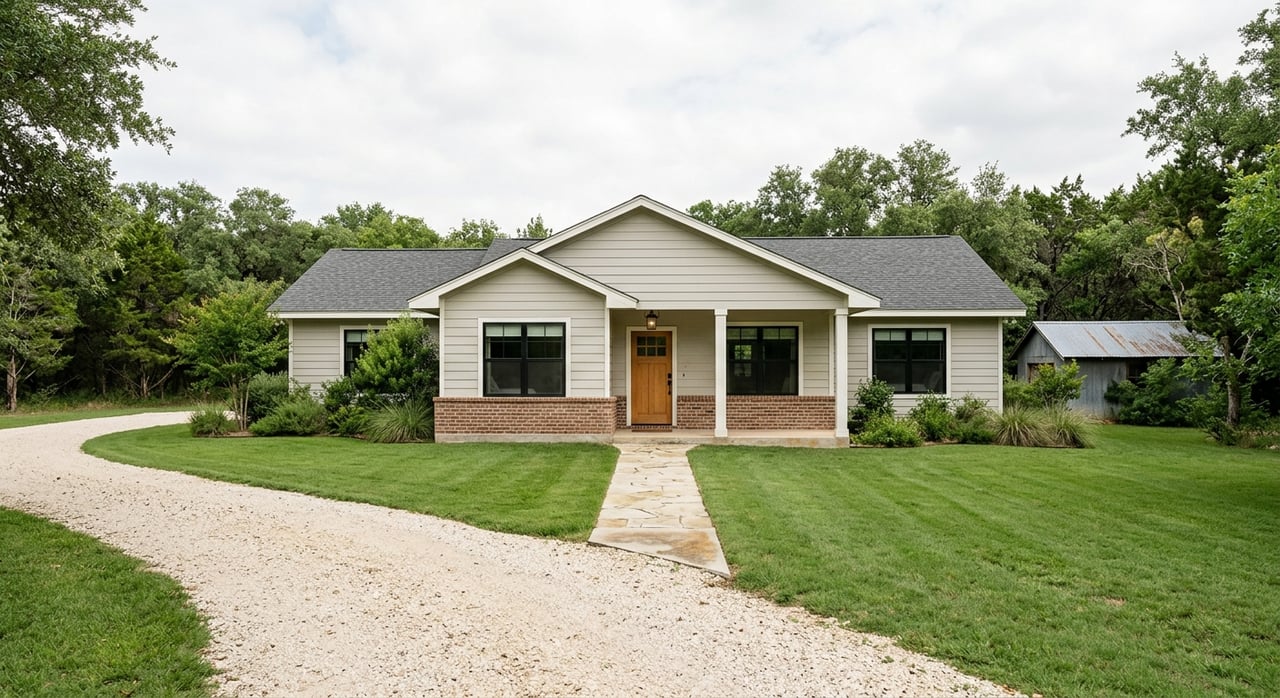
Is Living on Acreage in Linn County KS Right for You?
April 2, 2026
April 2, 2026
Dreaming about more space, more privacy, and a little more room to breathe? Acreage living in Linn County, Kansas can offer all of that, but it also comes with a daily rhythm that looks very different from life on a standard neighborhood lot. If you are thinking about buying land or a home on acreage here, it helps to know what everyday life really feels like before you make a move. Let’s dive in.
Linn County is known for open land, rural views, and a slower pace. According to the Kansas Historical Society county profile, the county has an estimated 9,841 residents spread across 594.08 square miles of land, or about 16.1 people per square mile.
That low-density setting is a big part of the appeal. You are not just buying a house here. In many cases, you are buying elbow room, privacy, and the chance to shape how you use your property.
The county also has a strong agricultural identity. The Kansas Department of Agriculture reports 704 farms covering 288,612 acres in 2022, which gives you a good sense of how deeply land and farming are woven into the local landscape.
Living on acreage often sounds peaceful, and it can be. You may wake up to quiet mornings, wide views, and fewer close neighbors. At the same time, rural property usually asks more of you than a typical in-town home.
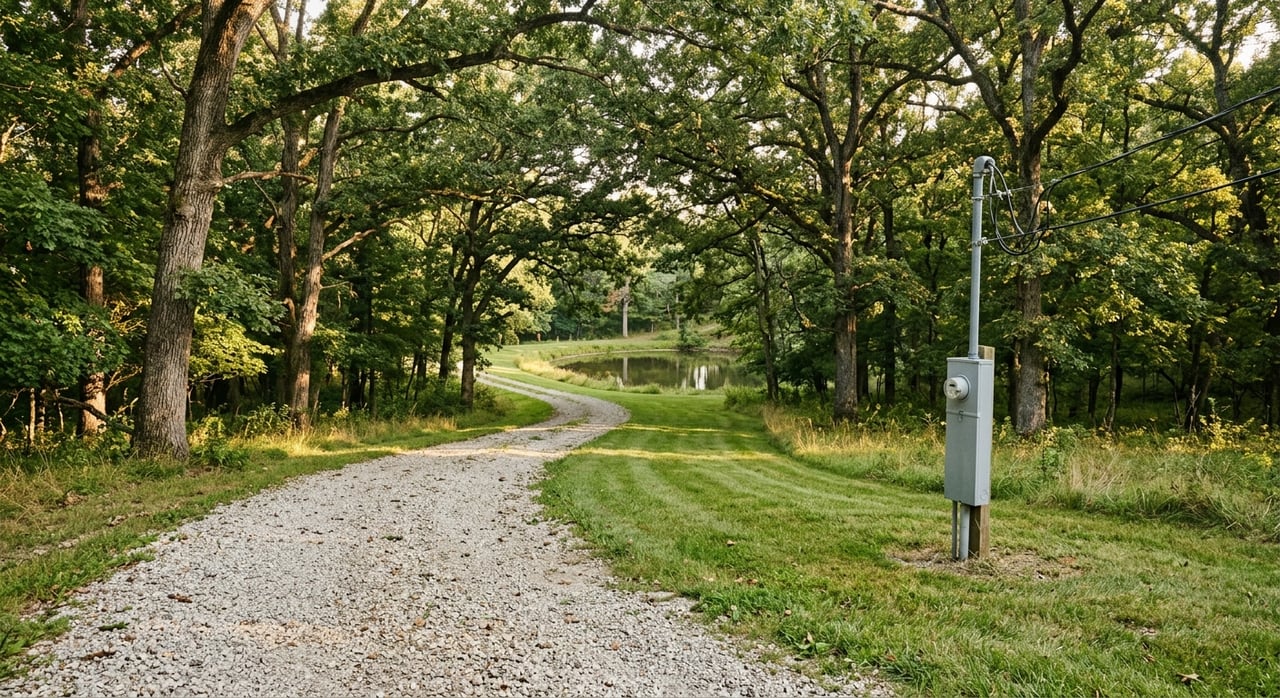
On a small acreage or hobby farm, daily life is often more hands-on. The K-State country living guide notes that rural homeowners may need to handle private drive maintenance, snow removal, grading, gravel, and dust control.
That means your routine may include things like checking fences, mowing more ground, watching drainage after a heavy rain, or planning for animal care if livestock is part of your goal. In short, acreage living is not just about extra land. It is about extra responsibility too.
One of the biggest day-to-day differences in Linn County is how much time you may spend on the road. Because the county is spread out, errands and activities often take more planning than they would in a denser suburb or city.
According to Census QuickFacts for Linn County, the average commute time is 34.7 minutes. That does not mean every trip is long, but it does mean you should expect regular driving for work, groceries, appointments, school activities, and supplies.
For many buyers, that tradeoff is worth it. You may drive more, but you also gain space, privacy, and a quieter home base.
If you enjoy being outside, Linn County acreage can feel like a natural fit. The county’s long-term planning documents highlight recreational assets like the La Cygne Wildlife Area and Marais des Cygnes National Wildlife Refuge, which help shape the area’s identity.
Local survey responses in that same county plan point to fishing, lakes, parks, fairs, rodeo, arts-and-crafts events, and libraries as favorite activities. That tells you something important about life here. Even when you live on a more private piece of land, you are still part of a county where outdoor recreation and local events matter.
So yes, acreage living can feel quiet and private. But it does not have to feel disconnected.
In Linn County, the weather is not just background information. It affects how you care for your property, when you tackle outdoor projects, and how you plan for drainage, animals, and maintenance.
The Kansas Geological Survey describes Linn County as having a humid continental climate. Its county geology report notes average temperatures at Mound City ranged from 31.7°F in January to 78.6°F in July, with an average growing season of 181 days and annual precipitation of about 39 inches.
More recent Kansas Statistical Abstract climate data shows Linn County received 39.12 inches of precipitation in 2024 and averaged 10.7 days per year at 100°F or higher from 2018 to 2023. In practical terms, that means hot summer workdays, periods of heavy rain, and an ongoing need to pay attention to runoff, mud, and watering.
A lot of buyers picture acreage life with horses, chickens, or a few livestock animals. That can be possible, but it is not something to assume without checking the details first.
The K-State guide to living in the country explains that livestock ownership involves planning for clean water, fencing, pasture management, and manure handling. It also notes that in most parts of Kansas, it takes roughly 10 acres of pasture to feed one horse for a year.
That does not mean every acreage property is wrong for animals. It just means the land has to match your intended use. Before you buy, it is smart to think through water access, fencing needs, pasture condition, and whether the parcel really supports the lifestyle you want.
Acreage buyers usually need to do more due diligence than buyers of a standard subdivision home. Parcel-specific details can make a big difference in how usable a property really is.
Linn County points buyers to its online GIS and public maps, which can help you research flood risk and other land-related details. That is especially important in a county shaped by the Marais des Cygnes River and its tributaries, where some areas include broad floodplains.
The county’s Planning and Zoning Department also handles questions tied to flood zones, septic and wastewater issues, open wells, manufactured homes, building permits, and permits for houses or agricultural structures. If you are buying acreage, those are not small details. They can affect cost, use, safety, and future plans.
For the right buyer, Linn County offers a strong quality-of-life tradeoff. You may get more land and a quieter setting, but you may also have fewer nearby shopping, dining, and service options than you would in a larger metro area.
The county’s comprehensive plan survey found that residents value the rural lifestyle, outdoor recreation, agriculture, and quality of life. At the same time, respondents also asked for more restaurants, grocery stores, entertainment, and better Wi-Fi, showing that convenience can feel different here than in more built-up areas.
Housing supply can also require flexibility. Census QuickFacts shows that 81.1% of homes are owner-occupied, the median value of owner-occupied homes is $173,600, and 83.7% of households report a broadband subscription. Even so, the county plan notes that housing availability has tightened since 2010 and broadband remains an infrastructure priority in some areas.
Acreage living in Linn County often works best if you value independence, outdoor space, and a little self-reliance. It can be a great fit if you want room for equipment, animals, gardening, recreation, or simply more privacy than a neighborhood lot can offer.
It may be less appealing if you want quick access to shopping, shorter drives, or a lower-maintenance property. Neither preference is right or wrong. The key is being honest about how you want to live day to day.
For many buyers, the sweet spot is finding a property that offers space without creating more upkeep than they really want. That balance looks different for everyone.
Before you buy acreage in Linn County, take time to look beyond the house itself. The land, access, utilities, and property setup are often just as important as the square footage.
Here are a few smart starting points:
If you are considering acreage in Linn County, working with someone who understands rural property can save you time and help you ask better questions early. If you want practical guidance on acreage, farmland, or homes with room to spread out, Dez Poole can help you sort through the details and move forward with confidence.
Stay up to date on the latest real estate trends.
Providing a seamless real estate journey through thoughtful planning, clear communication, and a deep understanding of the market, helping clients make empowered decisions whether buying, selling, or investing.